
An alternative route into veterinary nursing
title

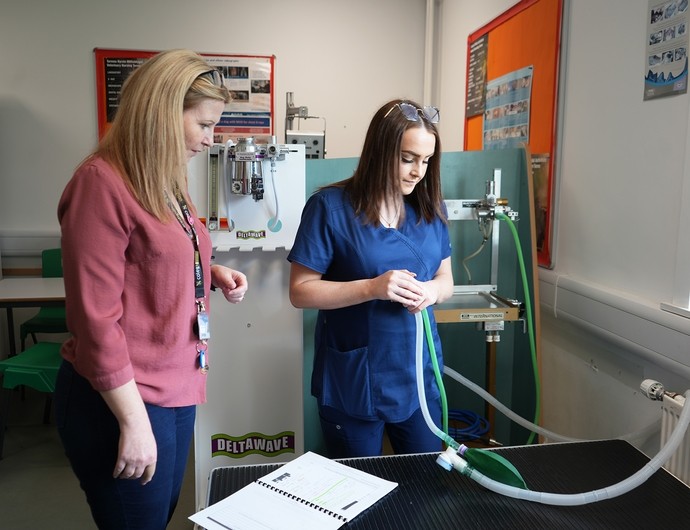
Have you thought about an apprenticeship?
A veterinary nursing apprenticeship offers a structured pathway for individuals seeking a career in veterinary care which offers a learn as you earn experience whilst studying at an RCVS accredited training centre.
Coleg Sir Gâr offers training for this qualification at its Pibwrlwyd campus in Carmarthen where student veterinary nurses work in a vet practice and are released for a day to undertake their official qualification.
The qualification can be broken into two parts, which are the foundation level two where learners develop fundamental skills in animal handling, care, and administrative duties within a veterinary environment. And at advanced level three, it qualifies the student as a Registered Veterinary Nurse (RVN).
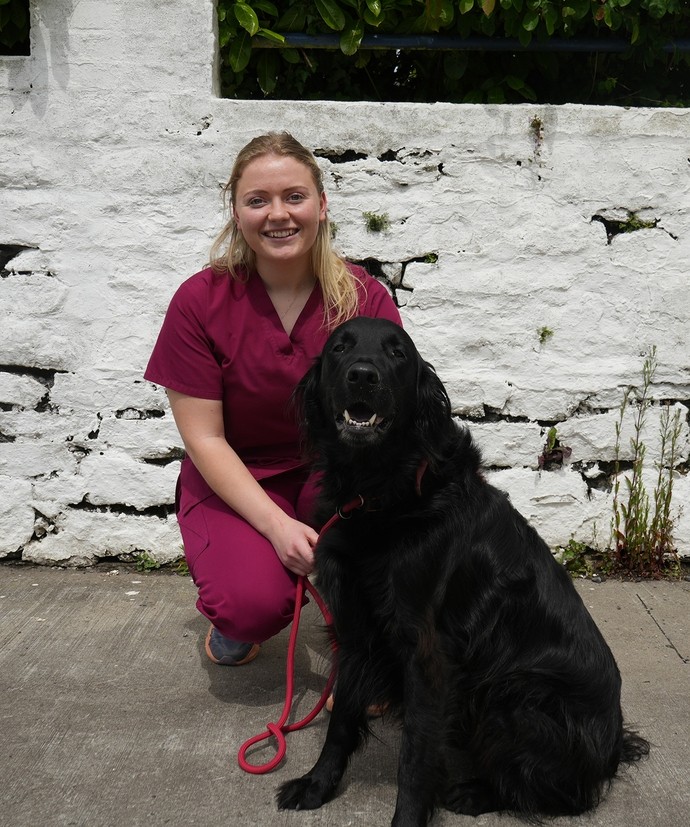
Student veterinary nurse Catrin Jones, who works at Teilo Vets said: “We see many different cases in work and then we can discuss and relate these to our studies at college.
“I like the fact that we can study and work at the same time, rather than qualifying from a full-time course then being put in the deep end in veterinary practice.
“I love the fact that I can work with animals, helping them feel better and the tutors at college are really supportive.”
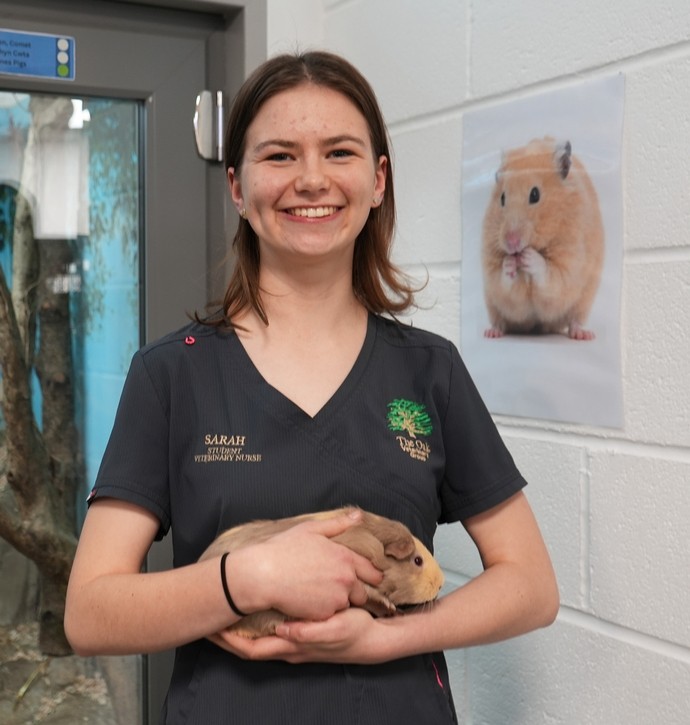
Student Sarah Webber is also a student veterinary nurse at The Oak Veterinary Group and has worked at both their Haverfordwest and Fishguard practices. “I’m a very practically-minded,” she said. “So, the apprenticeship suits me better, where I can gain experience in the practice and learn the theory at college. The lecturers are good too, they happily provide extra support if we need it.”
Students need to be employed in a veterinary practice to undertake the apprenticeship and progression from level three RVN include studying an RCVS diploma in advanced veterinary nursing.
Take a quick look at our Animal and Equine centre here and find out more about Coleg Sir Gâr’s veterinary nursing apprenticeship here.
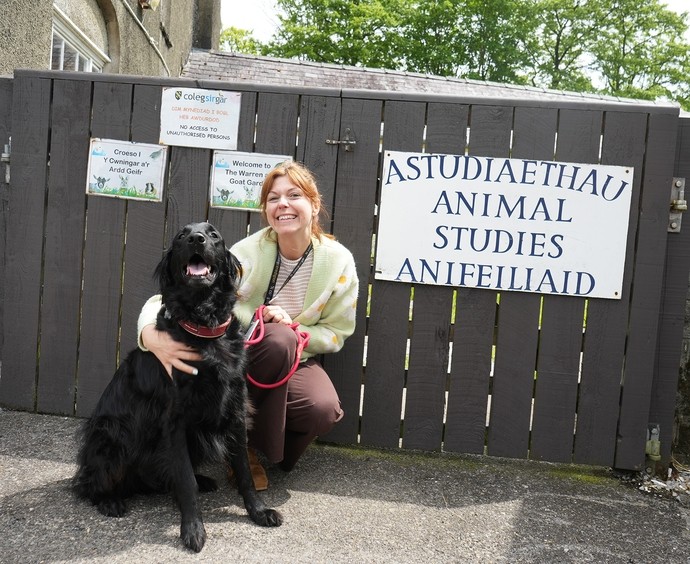
Hayley Graudins
Course Leader for Veterinary Nursing
Hayley qualified as a vet nurse in 2007 and actually studied the apprenticeship route so she is familiar with the pathway.
With a personal interest in anaesthesia and medical nursing, she has worked in various clinics including general and mixed practice vets and referral clinics.
She has also worked in Sydney, Australia on a six-month experience in a small animal practice, whilst travelling.
Hayley has been teaching since 2017 and was significantly involved with setting up the apprenticeship pathway at the college.
She is now course leader and head of centre for the level three Lantra Veterinary Nursing Small Animal Qualification and also deals with the registered industry bodies such as Royal College of Veterinary Surgeons (RCVS) and their regular inspections.
Hayley also undertakes training practice visits to see students and their employer mentors at their workplace to ensure the apprenticeship needs are being met and to check on the progress of the apprentice.
As a locum RVN at her local emergency and critical care veterinary hospital, Hayley ensures her skills are up to date as well as fulfilling her passion for the work she undertakes there.
What is the role of a Veterinary Nurse?
Veterinary nurses provide support and expertise in many medical procedures and surgical procedures under the RCVS Schedule 3 Code of Professional Conduct.
Radiography positioning
Minor operations and surgical procedures
Minor lump removals
Post-op recovery
Blood testing and diagnostics
Administering medications and treatments
Caring for hospitalised animals
Supporting pet owners with advice and guidance
Ensuring high standards of hygiene, infection control and clinical records